

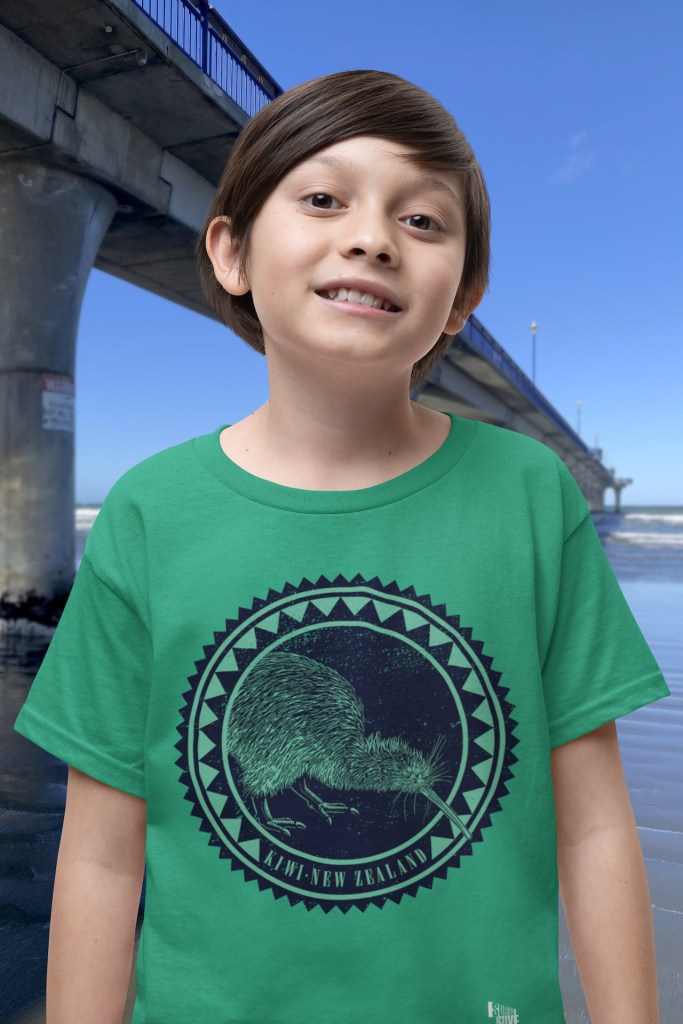
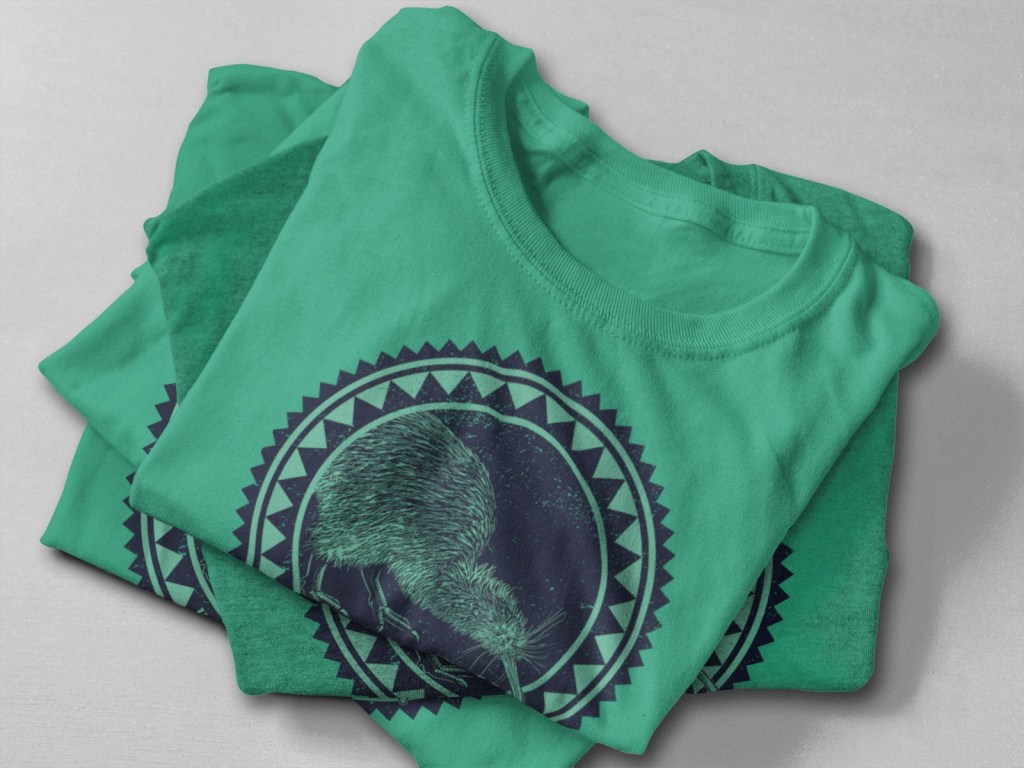
Our eye-catching kiwi design features a bold, two-colour roundel illustration on the front showcasing the most famous New Zealand native bird on a crew neck, mid-weight (185gsm) kids’ t-shirt. A playful mini kiwi icon graces the back for a touch of whimsy. This design pairs best with white, pastels, lights, and brights for maximum contrast. Can be customised with the large art printed on the back and the mini kiwi badge on the front left chest at no extra charge.
Shop Across our Stores
Shop for this flightless bird design across our Surface Active stores:
- by ordering here to have it locally printed and DTF heat pressed right here in New Brighton.
- Price: $30 plus shipping via Courier Post. Shipping starts at $8 (varies by quantity).
- International customers will be charged the actual shipping cost based on the weight and the destination of their order.
- As a guide a Large Surface Active 185 gsm t-shirt weighs 130–150 grams.
Or you can shop at either:
- our NZ based or
- our international DTG printing partner e-stores.
- (Use code: “PERFEC” for 5% off your international store purchase.)

A Kiwi Upbringing: Storytelling, Nature and the Explanatory Power of Kiwi Evolution
Raised with my sisters in Titahi Bay during the 60s and 70s, my upbringing fostered a deep appreciation for storytelling, art, the natural world, education and critical thinking.
Influenced by stories from the Bible, Maori myths, classic fairy tales of the brothers Grimm and tall tales like Homer’s Odyssey, I developed a fascination with legends like how the kiwi lost his wings, and also learning to understand how giving up the wind beneath its wings for the earth beneath its feet was an evolutionary strategy of adaptation on an isolated island home.
Beyond Legend: Depicting The Kiwis’ Fitness Through Adaptation
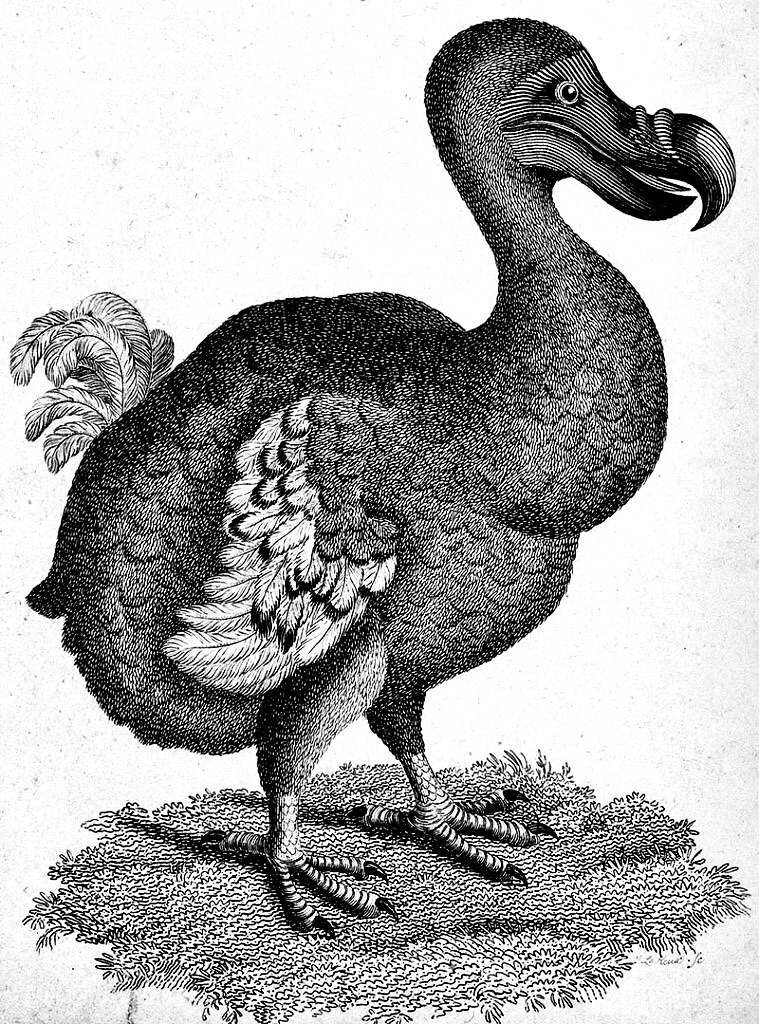
New Zealand happens to have become a world centre for flightlessness, from penguins to kiwi, to moa extinct as the dodo. If flight is the defining characteristic of a bird, why would these and many other species choose to give it up?
In Maori legend the story is imaginative and original, the kiwi was once a soaring bird with vibrant feathers. When a threat emerged to the forest, the gods pleaded with the birds to descend and become guardians. The kiwi, known for its bravery, volunteered. As a result, it lost its wings and gained strong legs, sharp claws and keen senses to protect the forest floor. Poetically, though flightless, the kiwi earned the respect of the gods and became a revered symbol of selflessness and guardianship.
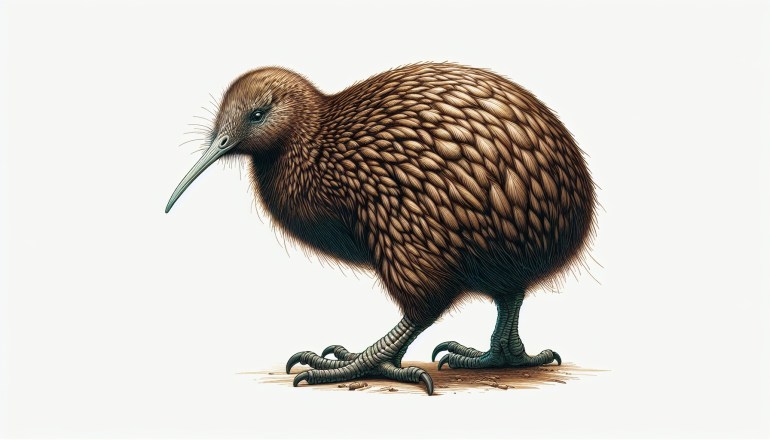
This reverence for the kiwi being a cut above other birds despite becoming the least showy and most down to earth as a reward for its sacrifice, is reflected in my lively pen and ink drawing, where I’ve emphasised the kiwi’s legs, claws, whisker-like feather filaments and nostrils at the tip of its beak and the frame design element reflects its heroic role as a protector.
My lifelong fascination with Darwin and the processes and patterns of evolution taught me that while Maori legend portrays the kiwi as a staunch protector, its true strength lies in adaptation.
From Folklore’s Charm to Science’s Facts: Unveiling the Kiwi’s Gradual Transformation
The kiwi, once a keen-eyed beautiful bird according to legend, adapted over millions of years into a plucky flightless bird with keen senses, other than sight, for navigating the forest floor at night.
Flightless Evolution: Adaptation on an Island Home
The kiwi and its evolutionary ancestors have been in the forests of New Zealand for a very long time—estimates suggest around 80 million years. This timeframe predates the separation of New Zealand from the supercontinent Gondwana, which occurred due to plate tectonics around 80–100 million years ago. This means that the kiwi’s ancestors likely arrived when New Zealand was still connected to other landmasses and then evolved into flightless birds after becoming isolated.
Plate Movements Create New Oceanic Islands And Isolate Them From Continents
Isolation from continents brings the development of unique ecosystems. To be able to escape danger and survive is to live and breed. Flying allows birds to live in hostile environments like Australia filled with sharp claws and hungry mouths. Islands like New Zealand are places where that imperative can be set aside because birds found themselves in a place without predators. Isolation allowed the development of unique ecosystems and species to evolve over time in New Zealand.
Unearthing Kiwi’s Past: Kiwi Fossils and Kiwi DNA Clues
Fossil evidence for kiwi evolution is scarce compared to other birds. The oldest known kiwi fossils were leg bones around 1 million years old, which already show features of flightless birds. However, there have been recent discoveries of kiwi fossils from Otago, estimated to be 20 million years old, that provide some clues. These fossils are much smaller than present-day kiwi and thought to have possessed wings. This aligns with genetic evidence suggesting their close relation to the emu, a large flightless bird from Australia.
The immense geological history of New Zealand influenced kiwi evolution, because diverse habitats on islands promote diversification of species.
Island Isolation: A Launchpad for Evolutionary Diversity and Adaptation
When New Zealand separated from Australia millions of years ago, there was no longer a need for flight as there were no aerial or mammalian predators that threatened the ancestors of kiwi in the forest. Over time, kiwis adapted to their ground-dwelling niche as a nocturnal, forest-floor insectivore. The isolation also played a role in kiwi diversification, with the gradual development of different species of kiwi, long separated, scattered across the North and South islands.


 MagentaDot Brands