
Digital short-run print

Pionair Aviation Convair CV580 cabin safety or Safety on board card.
While the digital-in, digital-out design workflow have revolutionised the creative, production and pre-press side of the print, the physics of ink on paper remains unchanged. While it often employs toner rather than ink the digital printing process bypasses the need for costly printing plates, and offers a number of advantages over traditional printing methods;
- Print on demand—short run digital printing is used to print high quality customised photo books such as the books of documentary photos I have produced for TruLine Civil, travel souvenir books and inflight magazines for Pionair and Wedding photo albums. The page numbers and binding techniques for these vary according to the brief.
- Variable data printing—the ability to revise the digital image on the toner drum ‘on-the-fly’ opens up the ability to produce data base-driven variable data printing, which I often used for personalised direct mail campaigns for Pionair Unparalleled Journeys.
- Advertising and promotion—outdoor advertising, retail environmental and point-of-sale materials, display materials for trade shows and other event signage.
- Photographic prints—wide-format digital inkjet printing paired with a colour-managed workflow and skilled use of powerful image editing software tools to correctly expose, colour correct, sharpen and retouch photographs before printing has profoundly improved the quality and range of practical applications for photo printing that MagentaDot Brands can offer.
Branding that unites the strengths of print and web design
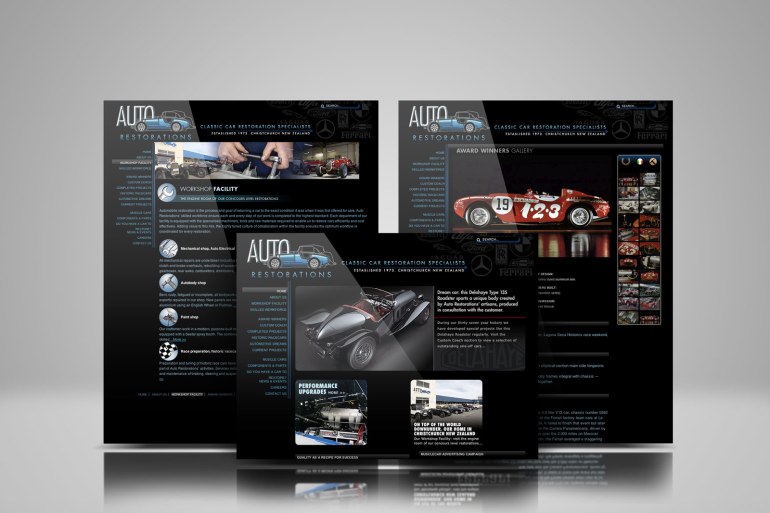
Auto Restorations web design showcase.
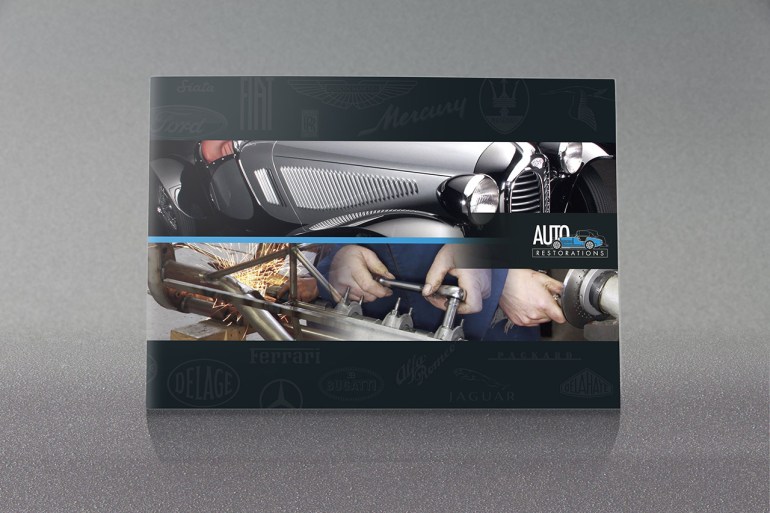
Front cover of Auto Restorations’ capabilities brochure, highlighting the artistry and peerless quality of their international award winning work, and the skill and craftsmanship of the firm’s employees,

Superior Hummer Limousines, Z-fold, DLE brochure
I develop brand and identity systems that combine the exciting potential of print and web working together in a coordinated way that reinforces the strengths of each platform. Usually the most effective brand expression and delivery of the message or messages to the client’s market is with an integration of the two. Also people’s behaviour increasingly requires multiple channels of connection and interaction with the brand.

Front cover of the 2019 MTC Equipment Catalogue.
A website is by the nature of being on screen more about how it behaves, it must communicate visually in attractive and useful ways for the user to enjoy the experience and want to return. It is not practical or workable to strive for the finesse and complexity of layered and overlapping elements that work well on paper, and the physics of the screen means that, for example, body type on the web set on an angle is a fail. Unlike a printed publication, where when you turn the page you still know exactly where you are with respect to the entire volume, good websites need carefully thought out navigation that gets the user to where they want without too much thought. A website is well suited to news media and the likes of this Velocette Racing New Zealand blog—while a refined, high-resolution printed piece is best for the story and imagery of an artist’s print or book.
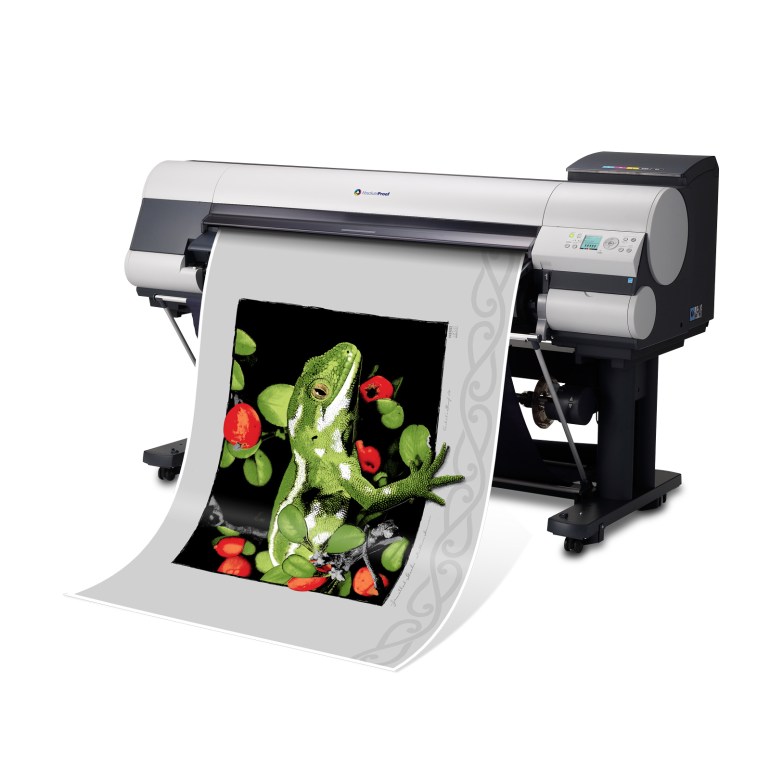
Jewelled Gecko Giclée on light grey matt background, A1 size.
 MagentaDot Brands